
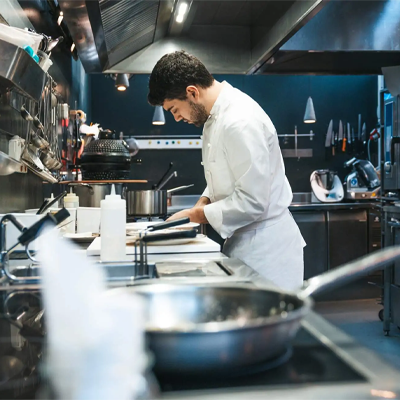

In professional kitchens around the world, stainless steel has become the preferred material for commercial kitchen equipment. From worktables and sinks to shelving units and food preparation stations, stainless steel plays a crucial role in maintaining hygiene, durability, and efficiency in food service environments.
Understanding the advantages of stainless steel helps restaurant owners and kitchen managers make better equipment investment decisions.
Excellent Durability
Commercial kitchens operate under demanding conditions. Equipment must withstand heavy use, high temperatures, moisture, and constant cleaning. Stainless steel is known for its exceptional strength and durability, making it ideal for these environments.
Unlike other materials, stainless steel does not easily crack, warp, or deteriorate over time. This durability allows restaurants to use their kitchen equipment for many years without significant wear or structural damage.
Superior Hygiene and Food Safety
Food safety is a top priority in any professional kitchen. Stainless steel has a non-porous surface that prevents bacteria, mold, and other contaminants from penetrating the material.
This property makes stainless steel much easier to clean compared with materials such as wood or plastic. Regular wiping and sanitizing can effectively remove food residues and maintain a hygienic working environment.
Many health and safety regulations in the food industry recommend or require stainless steel equipment because it meets strict hygiene standards.
Resistance to Corrosion and Rust
Commercial kitchens involve frequent exposure to water, cleaning chemicals, and food acids. Stainless steel contains chromium, which forms a protective layer on the surface and prevents rust and corrosion.
This corrosion resistance ensures that sinks, worktables, and storage shelves maintain their structural integrity and appearance even after years of use in humid kitchen environments.
Easy Maintenance and Cleaning
One of the biggest advantages of stainless steel kitchen equipment is its easy maintenance. Smooth surfaces allow quick cleaning and prevent the buildup of grease and food particles.
Daily cleaning routines can be completed efficiently, which saves time for kitchen staff and helps maintain high sanitation standards.
Professional Appearance
Stainless steel equipment also enhances the professional appearance of a commercial kitchen. Its clean and modern look creates a well-organized workspace that reflects high standards of food preparation and management.
For open kitchens or restaurants where customers can see the cooking area, stainless steel equipment also improves the visual impression of cleanliness and professionalism.
Versatility in Kitchen Design
Another advantage of stainless steel is its flexibility in manufacturing. It can be easily shaped and fabricated into various types of kitchen equipment, including sinks, storage racks, worktables, cabinets, and cooking stations.
This versatility allows manufacturers to produce customized equipment that fits specific kitchen layouts and operational needs.
Long-Term Cost Efficiency
Although stainless steel equipment may require a higher initial investment compared with some alternative materials, its long service life and low maintenance costs make it more economical in the long run.
Restaurants can avoid frequent equipment replacement and reduce repair expenses, resulting in better overall cost efficiency.
Conclusion
Stainless steel remains the best material for commercial kitchen equipment because of its durability, hygiene, corrosion resistance, and professional appearance. Investing in high-quality stainless steel equipment ensures a safer, more efficient, and longer-lasting kitchen environment for restaurants and food service businesses.